In the United States, one billion people get a cold each year, and 12 percent of people get the flu. Of those affected, nearly 70 percent turn to over-the-counter medications to relieve symptoms associated with colds, coughs, and flu. Acetaminophen is a common ingredient in many of these medications, targeting symptoms like fever and discomfort..
Additionally, acetaminophen is often combined with other painkillers such as codeine, oxycodone, and hydrocodone in widely prescribed medications, demonstrating its versatility in treating various conditions..
As you read on, you will discover the numerous uses and consequences of acetaminophen, providing valuable information about this widely used drug and its role in addressing common health issues..
The drug acetaminophen, also known as APAP or paracetamol, is one of the most widely used painkillers and antipyretics. According to the U.S. Food and Drug Administration, there are currently more than 235 prescription and over-the-counter drugs approved for use in the United States that contain acetaminophen as the main active ingredient. Acetaminophen is very safe and effective when taken as directed; however, it can cause hepatotoxicity and irreversible liver damage if taken in excess or with alcohol..
This question may arise for some people: Acetaminophen What is it for? In addition to relieving pain and reducing fever, recent laboratory and clinical studies have shown that acetaminophen may have beneficial effects on blood glucose levels, skeletal muscle function, and as a cardioprotective and neuroprotective agent. Extensive laboratory and clinical studies have shown that these uses may be due to acetaminophen's ability to act as an antioxidant..
Acetaminophen is a highly effective and widely used drug in both prescription and over-the-counter medications, known for its pain and fever-reducing properties. It is one of the most popular medications in the United States, and has numerous uses in medical treatments.FDA is continually working to reduce the risk of liver injury associated with acetaminophen by implementing additional safety measures for its products. OTC Acetaminophen, as regulated in the monograph OTC It is in progress..
As by Prior and colleagues in 2008, it has been shown that acetaminophen improves the structure and function of aged skeletal muscle. (Wu) and colleagues in 2009 also showed that chronic treatment with acetaminophen 30 mg/kg body weight can reduce the rate of myocyte apoptosis and increase the cross-sectional area of muscle fibers in aging, which is likely to be mediated by increased expression of myosin and actin in aged muscle..
These effects may be attributed, at least in part, to the reduction in oxidative and nitrosative stress induced by acetaminophen intervention, which reduces superoxide levels and the abundance of oxidatively modified proteins..
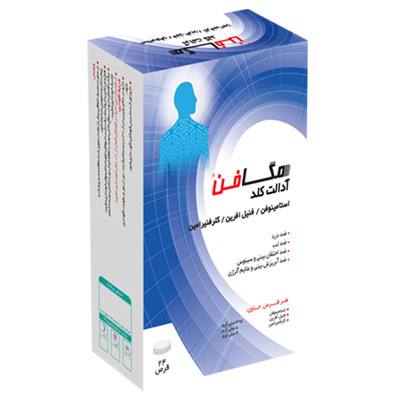
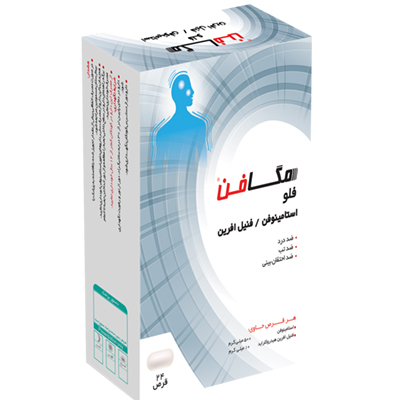
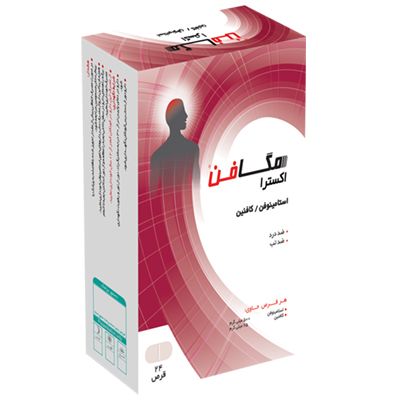
Acetaminophen, also known as paracetamol, is a widely used analgesic (pain reliever) and antipyretic (fever reducer). It is the main active ingredient in the products of the Megafrn It is found in most over-the-counter and even prescription medications. Acetaminophen is thought to relieve pain by raising the body's overall pain threshold, while reducing fever by promoting the elimination of excess heat..
Acetaminophen is commonly used to relieve mild to moderate pain, such as headaches, backaches, arthritis pain, toothaches, and muscle aches. It is also very useful for temporarily reducing fever. For those who prefer not to take pills, acetaminophen is available in a variety of forms, including capsules, liquid gels, and sachets. For children, Megafen offers options such as syrup, chewable tablets, and water-soluble tablets..
It should be noted that acetaminophen is a steroid drug. (NSAIDs) Or it does not contain cortisone, because NSAIDs NSAIDs such as ibuprofen, aspirin, and naproxen sodium are distinct from acetaminophen in terms of their mechanism of action, effects, and possible side effects; therefore, it is important not to confuse the two types of medications..
Acetaminophen is a versatile pain relief option; however, it is very important not to exceed the recommended dose or take more than one acetaminophen-containing medication at the same time, as this may lead to side effects or overdose..
What are the benefits of acetaminophen?
- The best pain reliever and fever reducer for adults and children
- Treating headaches and toothaches
- Treating colds and reducing muscle pain
The cheapest and most accessible medication that can be used to control and reduce fever or relieve muscle aches, toothaches, and headaches is acetaminophen.
How to use acetaminophen
- Be sure to chew the chewable tablets well before swallowing..
- Note, you can only use more than 3 doses of this medicine per day if your doctor has diagnosed it, and if symptoms such as fever last more than 3 or 5 days, it is better to stop taking acetaminophen and consult a specialist again..
- If you take the medicine when the first signs of pain appear, it will be more effective than when the pain is more severe..
The importance of acetaminophen dosage
Acetaminophen has been used by many people over the years and has been shown to be a safe and effective medication; however, if acetaminophen is taken in excessive amounts (overdose, whether intentional or accidental), it can cause serious health problems. The maximum recommended dose is usually 3 grams in 24 hours unless otherwise directed by your doctor..
As we said, acetaminophen is the active ingredient in Megafen; excessive use of which can cause serious damage to the liver. Along with the countless benefits that this drug has for our human body, excessive use of it will definitely lead to liver failure, which can threaten your health.
Symptoms of acetaminophen overdose may include nausea, vomiting, abdominal pain, and loss of appetite. If the damage is severe, a liver transplant may be necessary to save a person's life. Therefore, it is very important to follow the recommended dosage and consult a specialist if you experience any side effects or have concerns about taking acetaminophen..
Acetaminophen, commonly found in every household, is a widely used drug for treating pain and reducing fever. The antidote for acetaminophen overdose is acetylcysteine; however, it is most effective when administered within eight hours of acetaminophen ingestion. In cases of acetaminophen poisoning, prompt recognition, diagnosis, and treatment are critical to prevent severe liver damage..
The main cause of acetaminophen poisoning is liver damage, as the liver is responsible for metabolizing the drug. People with liver disease or who drink large amounts of alcohol should use acetaminophen with caution and consult their doctor before taking it.FDA It is currently recommended that you avoid drinking alcoholic beverages while taking medications containing acetaminophen. Note that long-term use of acetaminophen at recommended doses does not cause any liver damage..
But acetaminophen overdose in children is a serious concern that can happen more easily than you might think. To protect your child, it's essential to follow proper dosage guidelines. The drug acetaminophen has long been used to reduce fever and relieve pain in children because it's so effective and readily available over-the-counter. However, giving a child too much of this drug can lead to serious risks..
Pain and fever can be effectively controlled with over-the-counter pain relievers, which are available in a variety of brands, forms, and dosages. These medications work by chemically blocking pain receptor signals in the body and have a fever-reducing agent..
Clinical pharmacists state that their first line of treatment for fever or minor aches and pains is usually acetaminophen, recommending the lowest possible dose of acetaminophen to achieve the desired effect. For acetaminophen in the Megafen basket, this is usually equivalent to 325 or 500 mg..
It is very important not to exceed 3,000 mg of acetaminophen per day, this includes any acetaminophen in other medications you may be taking. For most people, the risks of side effects associated with acetaminophen are minimal, making it a safe and reliable choice for pain and fever relief..
Very important precautions for using acetaminophen for children
To prevent acetaminophen overdose in children, follow the dosage instructions on the medicine package carefully, monitor your child's medication intake, and avoid using multiple products containing acetaminophen at the same time. If you suspect an overdose, call a healthcare professional immediately or seek emergency medical care. The dosage of acetaminophen in children is usually prescribed based on their age and weight, and it is best to take it every 4 to 6 hours before or after a meal. Also, note that, unlike ibuprofen, acetaminophen does not interact with food..
By being vigilant and following dosage instructions, you can safely use acetaminophen to treat pain and fever in adults and children, while minimizing the risk of overdose and possible liver damage. Acetaminophen overdose can occur quickly in a variety of situations. Some factors that can lead to a child being given an overdose of acetaminophen include::
1Urgent conditions: If you're in a hurry, you may misread the acetaminophen label directions or not take the right amount. Additionally, giving two doses in a row can happen when you're not paying attention to when to give your child the medicine..
2. Mixing medications: If your child is experiencing multiple cold symptoms, you may instinctively combine acetaminophen with other medications. If the other medication contains acetaminophen, it can lead to a very high and dangerous dose. Additionally, do not give cough and cold medications to children under six years of age, as they may cause severe side effects. Also, be aware that combining acetaminophen with ibuprofen is very dangerous and can lead to stomach bleeding..
3. Using incorrect versions: Overdose can occur when you give your child adult acetaminophen instead of the appropriate formulation for children..
4. Misdiagnosis of medication: Acetaminophen is available in tablet, capsule, and liquid forms. Overdoses often occur when a child mistakes acetaminophen for something safe to consume, such as candy or juice..
Prevention is very important to avoid acetaminophen overdose in children. Always follow the dosage instructions on the label, and if you are unsure about the appropriate dosage or combination of medications, be sure to seek professional advice, and keep all medications out of the reach and sight of children..
Acetaminophen has fever-reducing properties and is effective if taken at the specified time and in the prescribed dosage, but if not taken according to the principles, it can have side effects..
Effects of acetaminophen during pregnancy
Usually, during pregnancy, most painkillers are prohibited for the health of the mother and fetus, and acetaminophen is the only medication prescribed to the mother for fever and pain; but many people wonder whether taking acetaminophen during pregnancy is dangerous?
Some people have claimed that taking acetaminophen during pregnancy poses many risks to the health of the fetus and increases the likelihood of having an autistic child; but a new study refutes previous concerns and states that using acetaminophen during pregnancy does not increase the risk of autism, ADHD or does not increase mental disabilities in children.
Despite previous recommendations, acetaminophen is a safe and effective choice for pain relief and fever management during pregnancy. Various genetic and environmental factors contribute to the risk of neurodevelopmental disorders in children. According to this study, which was conducted in JAMA Published, previously reported association between acetaminophen use during pregnancy and increased risk of autism, ADHD or intellectual disability was not supported in sibling control analyses. Researcher Dr. Martina Persson of the Karolinska Institute in Stockholm, Sweden, conducted the study to address concerns raised by a journal article suggesting that pregnant women should be cautious about taking acetaminophen..
In general, any medication, given its therapeutic effects, may have unwanted side effects. Some of the side effects of acetaminophen include skin rash, liver or kidney complications. If you experience any of these symptoms, such as loss of appetite, vomiting, yellowing of the eyes, abdominal pain, excessive sweating, and abdominal stiffness, see your doctor..
Learn about the uses of various types of acetaminophen.!
As we said, acetaminophen is produced in different forms and one of the very strong painkillers for headaches or toothaches is acetaminophen codeine, which is very well known among Iranians and is usually found in every home. This medicine, as its name suggests, contains codeine and acetaminophen. Acetaminophen is a non-narcotic fever reducer, but codeine contains opioids, which reduce pain in a short period of time..
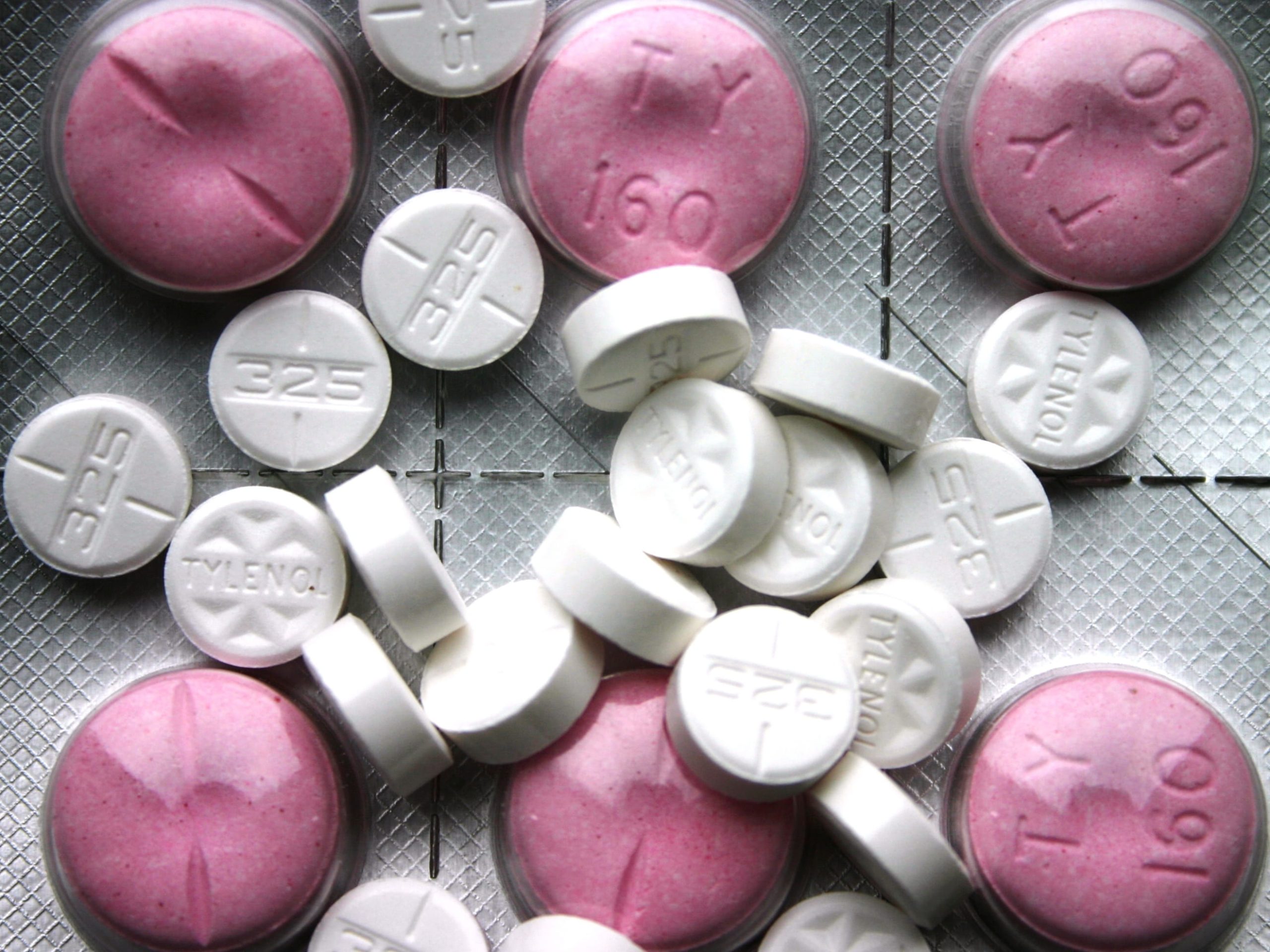
Other ingredients of this tablet are ibuprofen and caffeine; but mainly simple acetaminophen tablets are produced in two types: 325 mg and 500 mg. It is interesting to know that the most commonly used forms of acetaminophen are tablets and capsules, ampoules, suppositories, syrups, suspensions and drops, which are often used for infants, suppositories and syrups for children, and tablets or ampoules for adults, depending on the level of fever..
If you are looking for a quick and relatively low-risk pain reliever (compared to ibuprofen or aspirin), acetaminophen is the best option for relieving your pain. Its primary use is to reduce fever; you can also use it to relieve mild pain such as toothache, headache, menstrual cramps, backache, arthritis, colds, and to reduce symptoms of sinusitis. It is also worth noting that in some cases, this drug is also used to treat chills in children or adults..
Usually, this pill starts to work after about 20 minutes and its effects last for 6 to 8 hours; but for severe fevers, it needs to be repeated every 4 hours. Of course, it is necessary to say that acetaminophen suppositories have a faster effect than tablets, but again, depending on the severity of the fever or the body's metabolism, the degree of its effect may vary..
The antipyretic effect of this drug begins when acetaminophen affects the hypothalamus, an important gland that regulates body temperature, and reduces inflammation and pain by inhibiting prostaglandin synthesis in the brain..
Contraindications for acetaminophen
- Patients with favism
- History of kidney and liver problems
- If you are taking warfarin
- Allergy to acetaminophen
Acetaminophen tablet structure
It is interesting to know that acetaminophen tablets are produced from natural and synthetic sources through extraction, chemical processing, and synthesis methods, and each of the ingredients in it has a different function. This drug is made of acetaminophen, potassium sorbate, corn starch, pvp, pregelatinized starch, Avicel, sodium bicarbonate, potassium bicarbonate, and magnesium stearate, each of which has a specific and different dosage, ultimately resulting in the production of a strong antipyretic and analgesic drug that is compatible with the body of most people..
The storage conditions for acetaminophen tablets or other forms of it are also very easy. All you need to do is store the medicine at a temperature below 30 degrees Celsius, away from sunlight, heat, and humidity..
If you are looking for a medication to relieve pain and fever with the least amount of side effects, acetaminophen in any form is the best option, as its desired effect lasts for about 8 hours..
Conclusion
Acetaminophen is a nonsteroidal anti-inflammatory drug that has anti-inflammatory and analgesic effects. It is broken down and absorbed by the body's immune system and quickly enters the bloodstream and reaches the body's cells. Acetaminophen works by inhibiting enzymes involved in the production of prostaglandins, thereby reducing the production of these hormones. Prostaglandins increase pain and swelling; therefore, acetaminophen reduces pain and swelling by inhibiting the production of these hormones..
Although this medicine is very useful, you must be careful in its use, pay attention to the dosage, and do not use more than the allowed amount of acetaminophen or its other forms of medicine during the day, so as not to endanger your health..
Acetaminophen is a type of painkiller and fever reducer that is the first medication prescribed for fever. Just be careful, acetaminophen has different doses for infants, children, and adults; so you need to know the dosage instructions provided before taking it.